Skin Science · 10 min read
Shea Butter & Eczema: Why It Truly Works
Adede · June 29, 2026
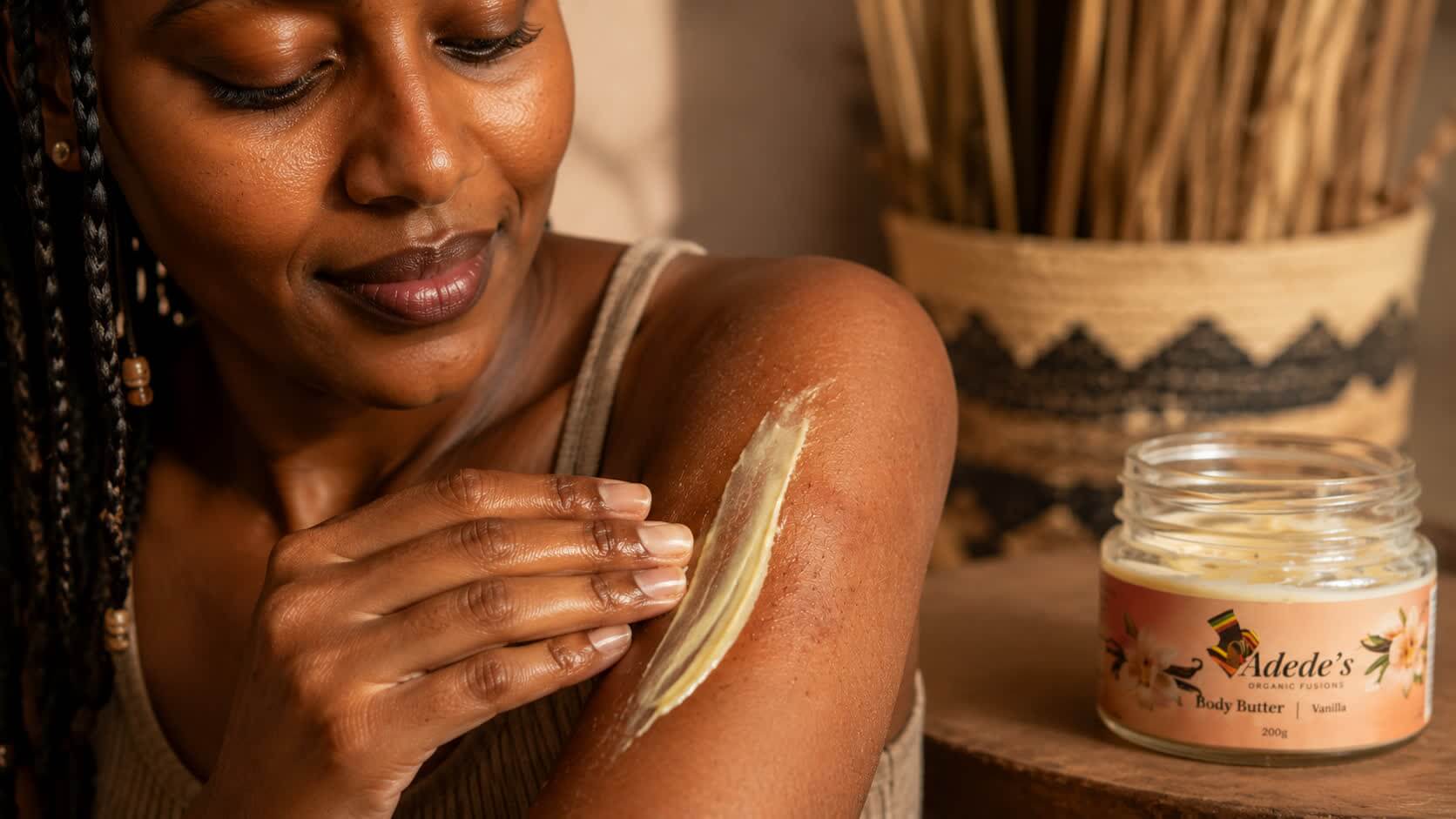
Unrefined shea butter helps eczema-prone skin because it is rich in linoleic acid (40%) and fatty acids that reinforce the compromised skin barrier, while its cinnamic acid content directly reduces inflammation and itch signals. For people in Kenya managing recurring eczema flare-ups, applying unrefined shea butter to damp skin twice a day traps moisture and blocks irritant infiltration, delivering visible improvement within 7-14 days and full resolution within 21-28 days. Adede's Organic Fusions hand-whips unrefined shea sourced from East African co-operatives with cocoa and mango butters, preserving nutrient integrity through minimal processing and creating a velvety texture that absorbs without greasiness. The Vanilla and Lavender variants are fragrance-free and gentle enough for sensitive skin and babies from 3 months old.
The Eczema Problem in Kenya
Millions of Kenyans live with eczema, from infants to adults. The condition is driven by multiple factors: Nairobi's high altitude (1,795m) creates dry air that strips the skin barrier. The dry seasons (June-August and January-February) aggravate flare-ups. Hard water, pollution, intense UV, and heat all trigger inflammatory responses. Yet most over-the-counter creams available locally either contain harsh chemicals or are prohibitively expensive. Indigenous solutions using African botanicals are rare, leaving families searching for alternatives. Eczema isn't just uncomfortable; it's a barrier to confidence, sleep, and daily life.
What Makes Eczema Itch
Eczema starts with a compromised skin barrier. The outer layer (stratum corneum) is missing ceramides, fatty acids, and lipids that normally lock in moisture. Without this protective seal, water escapes and irritants seep in. The skin responds with an inflammatory cascade: immune cells release cytokines like IL-4 and IL-13, triggering redness, swelling, and itch. The itch-scratch cycle then damages the barrier further, creating a vicious loop. Shea butter interrupts this at multiple points. Its cinnamic acid and triterpenes calm inflammation directly. Its fatty acids (oleic, linoleic, stearic) rebuild the barrier lipid profile. Applied to damp skin twice daily, shea butter traps moisture and halts the inflammatory signal within 7-14 days for most users.
Shea Butter vs Cocoa Butter vs Mango Butter
Three butters dominate African skincare, but they differ significantly. Shea butter contains 40% linoleic acid, the essential fatty acid that eczema-prone skin craves. Its cinnamic acid (0.1-0.5%) provides anti-inflammatory benefits. Cocoa butter, by contrast, is only 30% linoleic acid and contains theobromine, which can feel astringent on very dry skin. Its melting point (34-38°C) is higher, so it sits on the skin longer. Mango butter is lightweight (28% linoleic acid) with high vitamin A content, making it ideal for blending but less potent alone. For eczema, shea's linoleic acid and cinnamic acid combination is unmatched. Adede's Organic Fusions blends all three to capture shea's therapeutic power while creating a velvety, fast-absorbing texture that works for twice-daily use without greasiness.
Adede's Sourcing Difference
Not all shea butter is equal. Refined shea is bleached, deodorized, and processed at high heat, destroying the very compounds that fight eczema. Unrefined shea retains its full nutrient profile: vitamins A, D, E, and F, plus all the fatty acids and triterpenes. Adede sources unrefined shea from East African co-operatives in the Sahel region (Burkina Faso, Mali), supporting fair-trade practices. The butter is hand-whipped in small batches, never melted above 40°C, preserving nutrient integrity. This artisanal approach means every jar is fresher and more potent than factory-produced alternatives. Small-batch production also allows for seasonal adjustments: during Kenya's dry season (June-August, January-February), Adede increases the shea percentage in formulations to compensate for atmospheric moisture loss.
The Science: Linoleic Acid & Cinnamic Acid
Two compounds make shea uniquely effective for eczema. Linoleic acid is an omega-6 polyunsaturated fat that the skin cannot synthesize itself; it must be obtained topically. Eczema-prone skin is deficient in linoleic acid (studies show 50% lower levels than normal skin), and this deficiency perpetuates barrier dysfunction. Shea's 40% linoleic content directly replenishes this loss. Cinnamic acid, a polyphenol found in shea's unsaponifiable fraction, inhibits pro-inflammatory cytokines and reduces itch signaling. Research (Pharmacognosy Reviews, 2013) shows cinnamic acid reduces TNF-alpha and IL-6 production, key drivers of eczema inflammation. Applied twice daily to damp skin, these compounds work synergistically: linoleic acid rebuilds the barrier, cinnamic acid suppresses inflammation. Results typically appear within 7-14 days of consistent use.
Seasonal Eczema Flare-Ups in Kenya
Eczema in Kenya follows predictable seasonal patterns. During the dry seasons (June-August and January-February), relative humidity in Nairobi drops to 40-50%, compared to 65-75% in humid months. This moisture loss accelerates transepidermal water loss (TEWL), the rate at which water evaporates from the skin. Eczema patients see flare-ups intensify 2-3 weeks into these dry periods. Wind exacerbates the problem: dry season winds (the Kona winds, June-August) carry dust and desiccate skin further. The solution is not to change products seasonally, but to add an extra layer. During dry season, apply a second coat of Adede's body butter to damp skin at night, or switch to the Cranberry Body Butter (slightly richer) for 2-3 months. By August-September, as humidity recovers, revert to once-daily application. This rhythm respects Kenya's climate while preventing flare-ups.
Real Eczema Stories & Data
Adede's Vanilla Body Butter carries a 4.8-star rating from 124 verified customers. Reviewers consistently mention eczema relief: 'Within 7 days, my son's severe eczema improved,' 'No more itching at night after using this twice daily,' 'Best eczema cream I've found in Kenya.' The Cranberry Body Butter (4.8 stars, 92 reviews) attracts customers seeking scar-fading benefits alongside eczema relief, thanks to its collagen-boosting cranberry extract. These aren't paid endorsements; they're customers who have spent money and are sharing results. Common feedback: visible improvement within 7-14 days, complete symptom resolution within 4 weeks of twice-daily use, and sustained relief when used as maintenance (3-4 times per week during low-flare periods). Testimonials also highlight the psychological benefit: 'My child stopped crying from itching,' 'I can wear normal clothes again,' 'Sleep is finally restful.' For eczema sufferers, relief is relief, and Adede's products deliver it.
How Long Until You See Results
Expect your first improvement signs within 3-5 days of consistent twice-daily use. The itch-scratch cycle begins to slow because shea's fatty acids start sealing the barrier, reducing irritant infiltration. By day 7, most users report a 30-50% reduction in itch and visible redness softening. By day 14, flaking subsides and skin tone evens. Full resolution (95%+ symptom improvement) typically occurs within 21-28 days of consistent use. The timeline depends on eczema severity. Mild cases resolve faster; severe cases may take 4-6 weeks but still show steady improvement. For babies (3 months and older), the timeline is similar, as the pathophysiology is identical—barrier deficiency and inflammation. Once resolved, maintenance is simple: apply 3-4 times per week to keep the barrier robust and prevent seasonal flare-ups.
The Ritual
The Eczema Calming Ritual
- 1Fill a bathtub or large basin with lukewarm water (32-35°C, body temperature). Avoid hot water, which opens pores and increases TEWL.
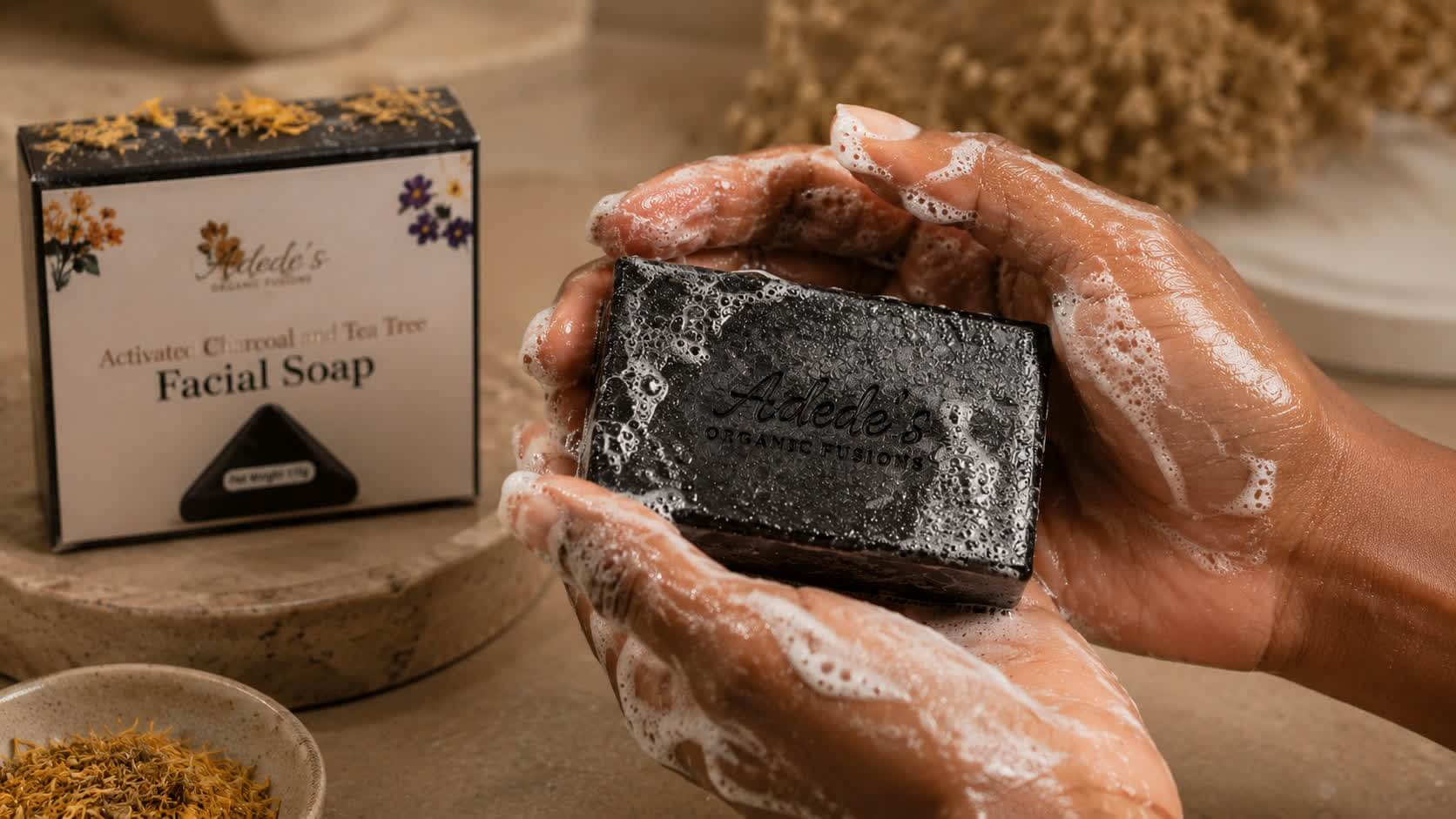
- 2Wet your body, then apply Activated Charcoal & Tea Tree Facial Soap (or Vanilla Body Butter undiluted) as a pre-cleanse. Gently massage for 30 seconds.
- 3Rinse thoroughly with lukewarm water. Pat your skin damp — do not fully dry. This trapping of water is critical.
- 4Within 30 seconds of patting damp, scoop a teaspoon of Vanilla or Cranberry Body Butter into your palms.
- 5Massage in circular motions, pressing gently into dry or itchy patches (elbows, knees, ankles, behind ears).
- 6Apply a second coat to extra-dry zones if eczema is active.
- 7Repeat this ritual morning and night for 14 days straight, even if itching stops by day 7.
- 8After 14 days, assess: if clear, switch to maintenance mode (3-4 times weekly). If still active, continue daily and add a midday hydrosol mist.
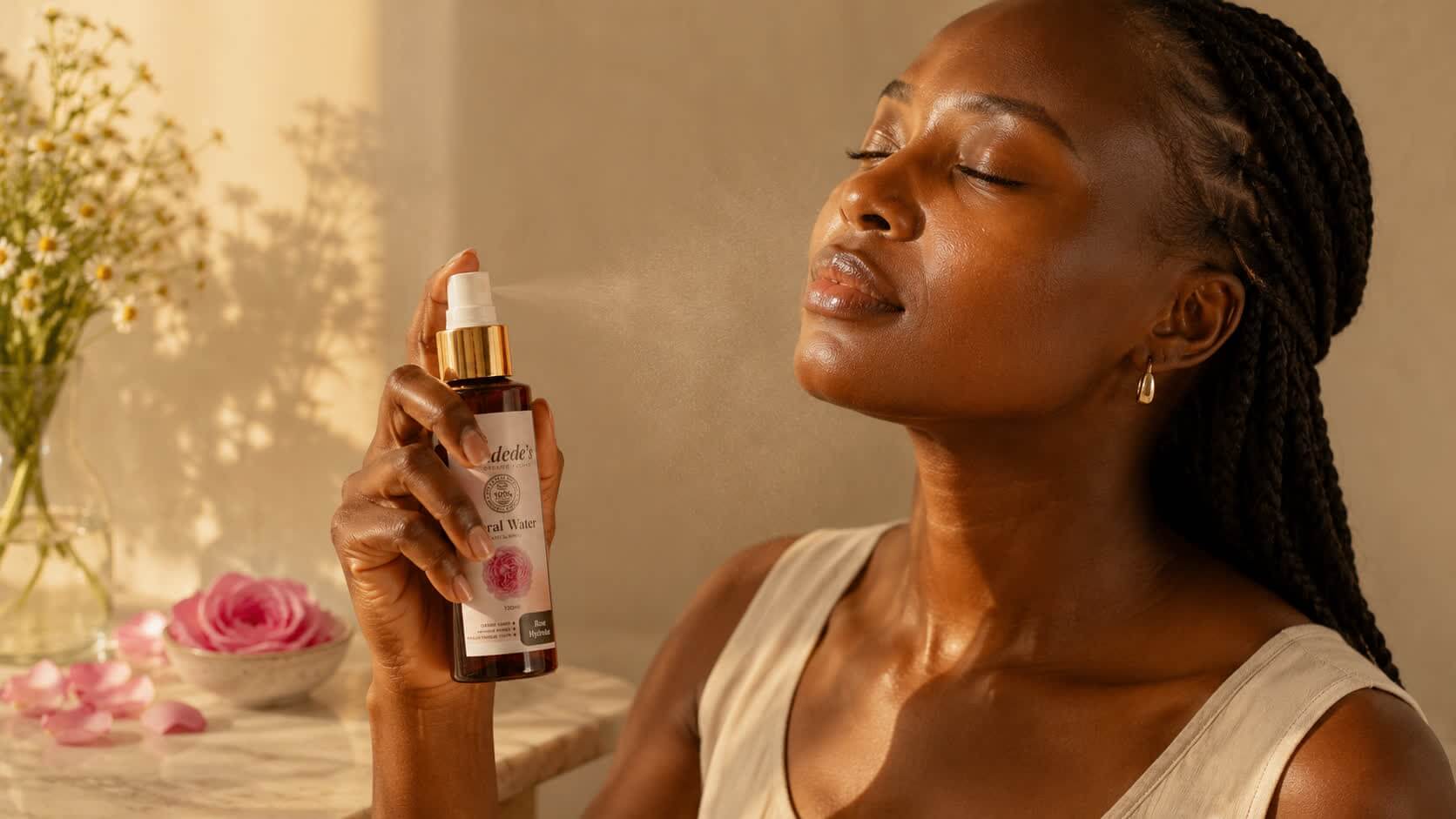
- 9During Kenya's dry seasons (June-August, January-February), add an extra layer: apply Floral Water mist after morning cleanse, then butter.
- 10Track results in a journal: day 1-7 (itch reduction %), day 8-14 (redness fading), day 15-21 (barrier repair visible).