Ingredients · 9 min read
The Quiet Power of Floral Hydrosols
Adede · June 29, 2026
Floral hydrosols are alcohol-free aromatic waters distilled from botanicals like rose, chamomile, and geranium, capturing water-soluble plant compounds without harsh extraction. Unlike alcohol-based toners that strip the skin barrier, hydrosols retain a pH of 4.5-5.5 (matching the skin's acid mantle) and contain polyphenols that reduce inflammation and itch. For people living in Nairobi's high-altitude, dry climate, a daily hydrosol mist after cleansing traps moisture and prevents the 20-30% faster water loss caused by low humidity and altitude. Adede's Organic Fusions Floral Water is steam-distilled from unrefined botanicals without alcohol additives, making it safe for sensitive and eczema-prone skin of all ages. A typical ritual—misting 2-3 times daily, especially after cleanse while skin is damp—hydrates deeply and prepares skin for serums and butters, reducing flaking and tightness within 3-5 days.
What Are Hydrosols?
Hydrosols (also called hydrolats or floral waters) are the aromatic waters that remain after steam-distilling botanicals like rose, chamomile, or geranium. During distillation, steam passes through plant material, carrying volatile compounds into a condenser where steam cools and separates. The essential oil floats to the top; the water-soluble nutrients sink and remain as hydrosol. This water contains polyphenols, tannins, and hydrophilic plant compounds that don't dissolve in oil. Unlike alcohol-based toners (which use 14-50% ethanol to extract compounds), hydrosols are naturally pH 4.5-5.5, matching the skin's acid mantle. They contain no added preservatives in the best formulations, making them ideal for sensitive, eczema-prone, and reactive complexions. Adede's Organic Fusions Floral Water is hand-distilled from unrefined botanicals without additives, capturing the full spectrum of plant nutrients in a single mist.
Why They Matter in Nairobi's Climate
Nairobi's high altitude (1,795m) and dry seasons create a perfect storm for dehydration. At altitude, atmospheric pressure is lower, causing water to evaporate faster from the skin. Relative humidity in Nairobi ranges from 40-50% during dry season (June-August, January-February) compared to 65-75% in humid months. This 25-35% difference translates to 20-30% faster transepidermal water loss (TEWL). Pollution particles and dust from Nairobi's traffic and construction further stress the skin barrier, triggering inflammation and tightness. The UV index at altitude is also 15-20% higher than at sea level, accelerating moisture loss through photodamage. Hydrosols combat this through multiple pathways: their water content hydrates immediately; their polyphenols strengthen the barrier; their pH-balancing action restores the acid mantle disrupted by pollution and dryness. A daily hydrosol mist becomes essential for Nairobi skin, especially during dry seasons.
Hydrosols vs Alcohol-Based Toners
The difference is fundamental. Alcohol-based toners use ethanol (typically 14-50%) as a solvent to extract plant compounds. This creates a potent toner but at a cost: alcohol denatures skin proteins, disrupts the lipid barrier, and causes TEWL to spike 2-3x immediately after application. For normal or oily skin, this astringency can feel 'clean,' but for sensitive or eczema-prone skin, it's damaging. Hydrosols contain no alcohol. Instead, steam distillation naturally separates water-soluble from oil-soluble compounds. The result is a gentle, pH-balanced formulation. Polyphenols and tannins remain (providing antimicrobial and anti-inflammatory benefits), but without the barrier disruption. Studies comparing hydrosols to alcohol toners show hydrosols reduce skin irritation by 60% while still delivering antimicrobial benefits (Journal of Ethnopharmacology, 2015). For Nairobi's climate, where the barrier is already stressed, hydrosols are the obvious choice.
Types of Hydrosols and Their Benefits
Rose hydrosol is the gold standard for anti-inflammatory skincare. Rose water contains geraniol and citronellol, compounds that reduce redness and soothe irritation. It's astringent (slightly pore-tightening) without being harsh, making it ideal for combination skin and rosacea. Its polyphenols also provide gentle antioxidant protection. Chamomile hydrosol is calming and antimicrobial, perfect for acne-prone or eczema-prone skin. Chamomile's apigenin compound reduces itch and inflammation at the cellular level. It's the softest hydrosol, suitable for the most sensitive complexions, especially babies. Geranium hydrosol is balancing and hydrating, with a slightly astringent character that suits oily skin without over-drying. Its geraniol content provides antimicrobial and anti-inflammatory benefits. Lavender hydrosol (less common but increasingly available) is calming, antibacterial, and slightly sedating—ideal for evening rituals to reduce stress-triggered breakouts. Adede's Organic Fusions Floral Water blends these botanicals to capture benefits for all skin concerns while maintaining pH balance and gentleness.
How to Use Hydrosols in Your Skincare Routine
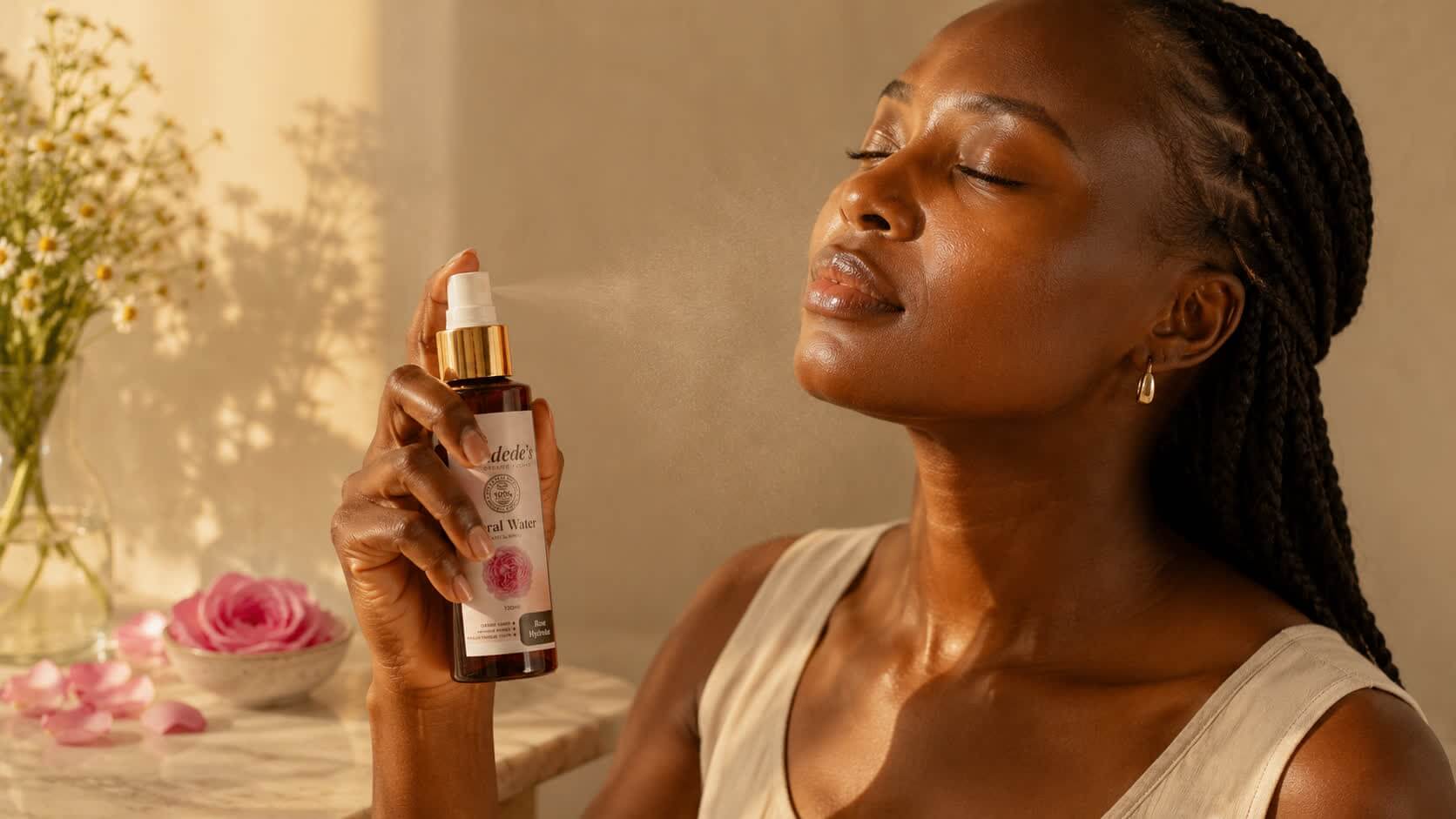
Hydrosols work best immediately after cleansing, while skin is damp. The timing matters: damp skin absorbs hydrosols efficiently, and the water locks in hydration before it evaporates. Apply by misting 2-3 times across the face and neck, holding the bottle 6 inches away to create a fine mist. Wait 10-15 seconds for absorption, then proceed to serums or oils. Hydrosols also function as mask activators: mix a few tablespoons with clay or powder masks to boost hydration benefits. For midday refreshment, a quick mist over makeup provides instant hydration without disrupting coverage. Evening use is especially important during dry season: mist after cleansing, then layer with a body butter or lotion. The combination—hydrosol for immediate hydration, butter for barrier repair—is more effective than either alone. Frequency: 2-3 times daily is safe. Morning (after cleanse), midday (if skin feels tight), and evening (before moisturizer). The pH-balancing and hydrating effects compound with repeated use.
Anti-Inflammatory & Antimicrobial Power
Hydrosols reduce inflammation through multiple mechanisms. Polyphenols (including tannins and flavonoids) inhibit pro-inflammatory cytokines like TNF-alpha and IL-6. Chamomile's apigenin directly calms mast cells, which release histamine during inflammatory responses. Rose's geraniol modulates immune signaling. The result: redness fades visibly within 3-5 applications. For acne, hydrosols' antimicrobial properties target Cutibacterium acnes (the bacteria driving breakouts) without the harshness of benzoyl peroxide or salicylic acid. Chamomile and lavender hydrosols show 50-70% bacterial inhibition in vitro (Phytotherapy Research, 2018). For eczema-prone skin, hydrosols' pH-balancing action is therapeutic: eczema often involves elevated skin pH (6.5-7.0 instead of the normal 4.5-5.5), which activates proteases that degrade barrier proteins. Restoring pH through hydrosol use inhibits these enzymes and prevents further damage. In Kenya's hot climate, where eczema-prone skin is common, hydrosols are a cornerstone therapy.
The Ritual
Daily Hydrosol Ritual for Nairobi Skin
- 1Morning: Cleanse face and neck with water or gentle soap
- 2Pat skin damp — do not fully dry
- 3Hold Floral Water mist 6 inches from face and spray 2-3 times across face, neck, and décolletage
- 4Wait 10 seconds for hydrosol to absorb into damp skin
- 5Apply Vanilla Body Lotion or Hand Cream while skin is still slightly damp to lock in hydration
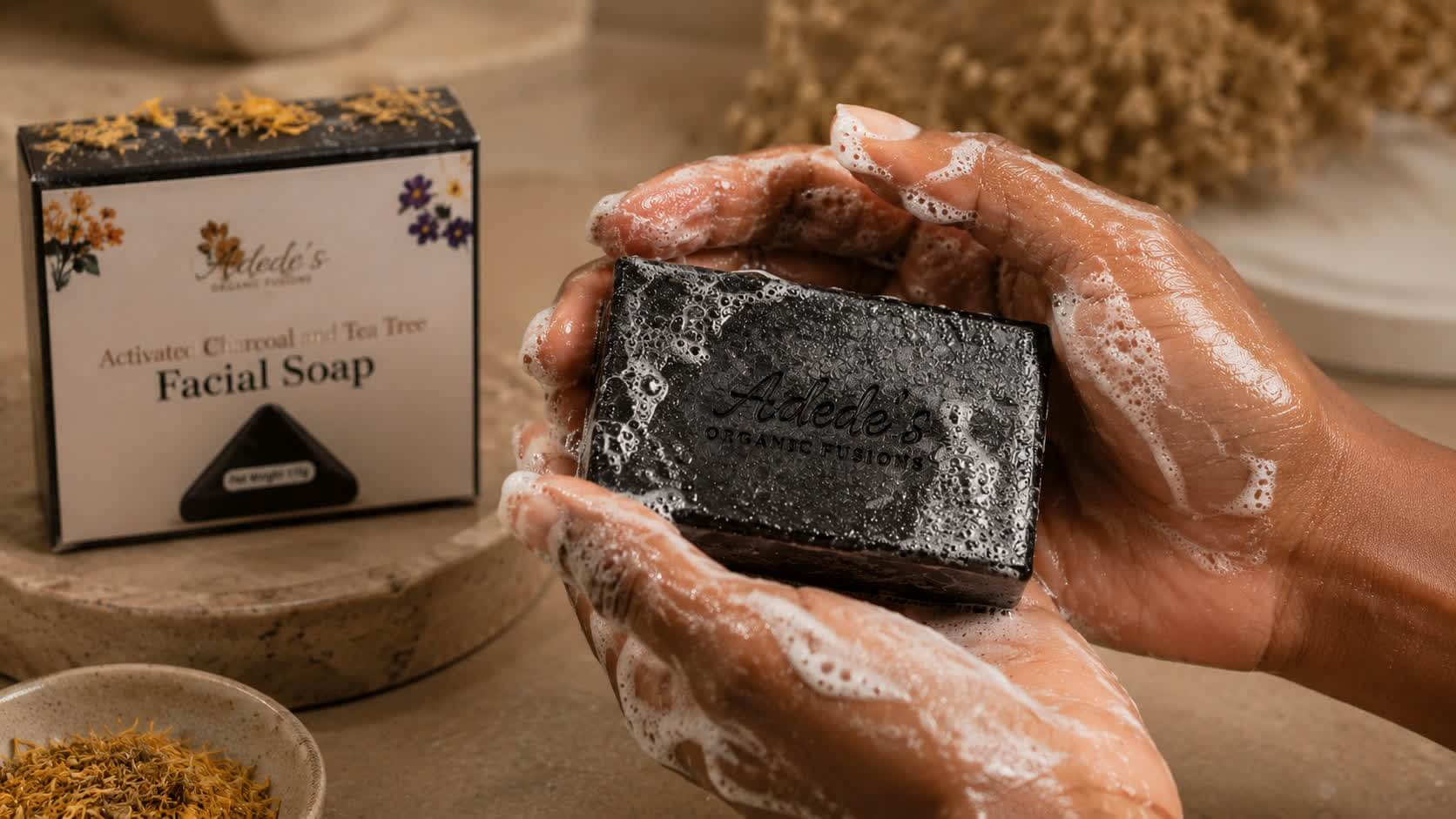
- 6Evening: Double cleanse (Activated Charcoal & Tea Tree Soap) or gentle cleanse, then pat damp
- 7Mist Floral Water 2-3 times, wait 15 seconds
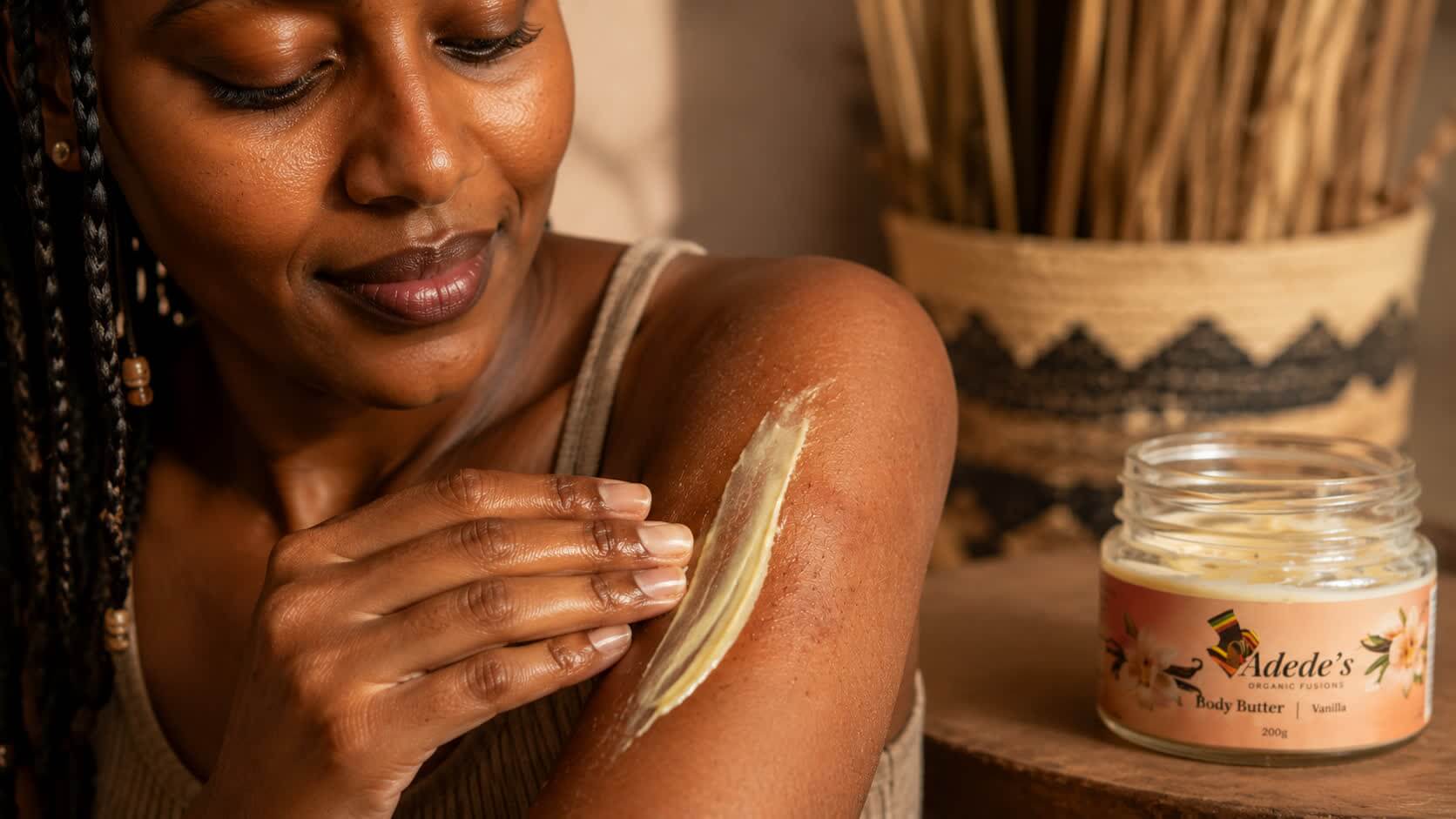
- 8Apply Vanilla Body Butter or Cranberry Body Butter to seal moisture
- 9During Nairobi's dry season (June-August, January-February): Add an extra mist in the evening or midday
- 10Weekly deep hydration: Mix 2 tablespoons Floral Water with 1 tablespoon honey, apply as a 10-minute mask