Routines · 8 min read
Skincare for Nairobi's Dry Season
Adede · June 29, 2026
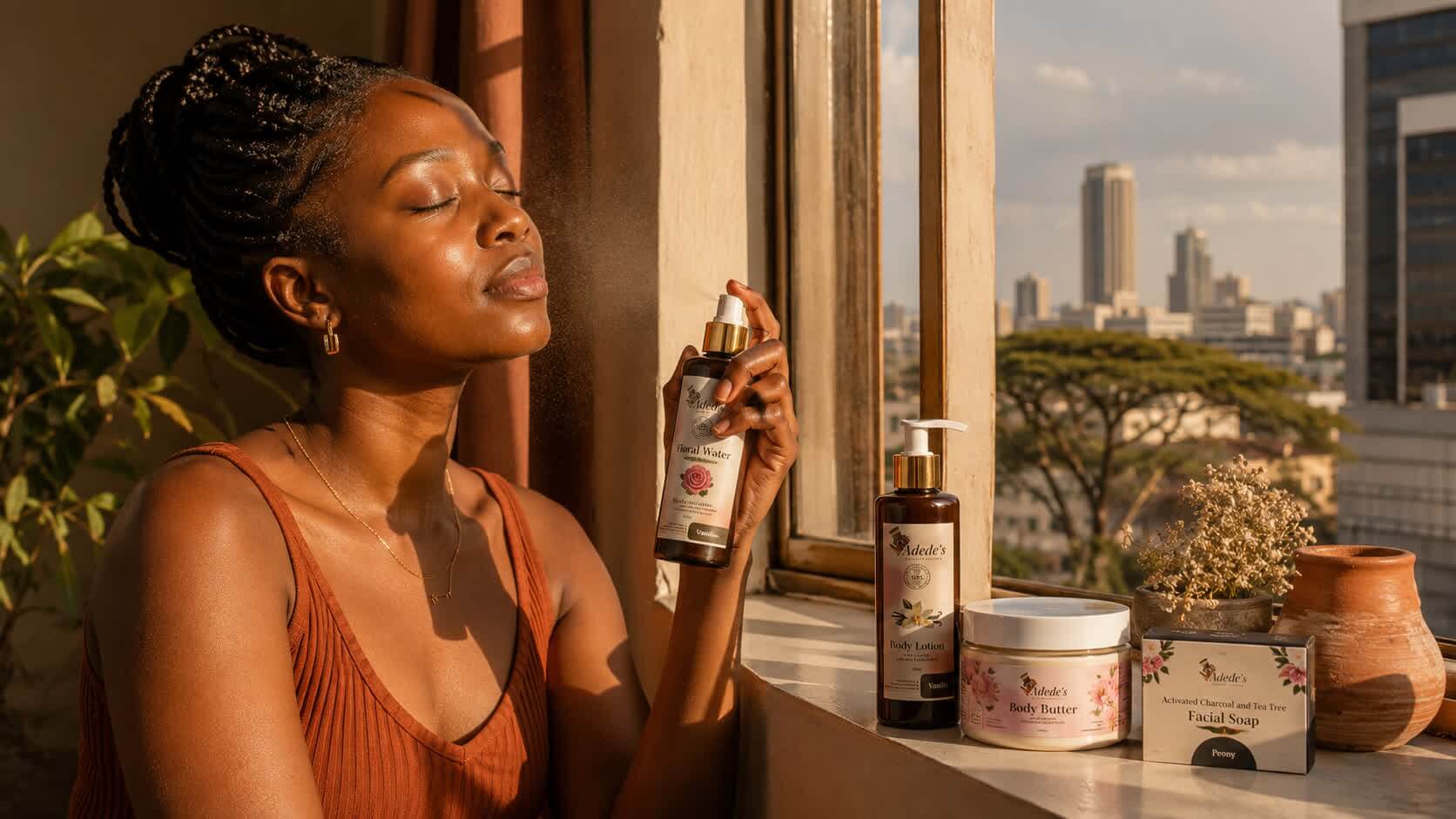
Nairobi's high altitude (1,795m) combined with dry-season humidity drops (40-50%, from 65-75% in humid months) causes 2-3x faster water evaporation from skin, triggering flaking, tightness, and eczema flare-ups. A Nairobi dry-season skincare protocol requires layering: Floral Water mist (immediate hydration) + Body Lotion (lightweight moisture) + Body Butter at night (barrier sealing). During peak dry season (June-July, January-February), apply all three layers daily; in transitional months (May, August-September), drop butter to 3-4x weekly; in humid months (November-December), use lotion alone. Adede's Organic Fusions Floral Water, Vanilla Lotion, and Vanilla Body Butter are formulated specifically for Nairobi's climate, with the layering strategy addressing the extreme humidity gradient and altitude-driven water loss.
Understanding Nairobi's Dry Seasons
Nairobi experiences two pronounced dry seasons: the long dry (June-August) and short dry (January-February). During these periods, relative humidity plummets from 65-75% to 40-50%—a 25-35% drop in atmospheric moisture. The Kona winds of June-August further desiccate skin, carrying dry air from the Sahara. At Nairobi's altitude (1,795m), atmospheric pressure is lower, accelerating transepidermal water loss (TEWL) by 20-30% compared to sea-level cities. The combined effect is severe: skin loses water 2-3x faster than in humid months. This triggers flaking, tightness, itching, and eczema flare-ups. For most Kenyans, the first week of June marks the start of severe skin dryness; by July, most people are scratching visibly dry patches.
The Climate Science Behind Dry Season Dryness
Water evaporates from skin when atmospheric humidity is lower than the skin's surface humidity (nearly always 100% just-formed water at the surface). The evaporation rate (TEWL) is proportional to the humidity gradient. In dry season, this gradient is extreme: 50% atmosphere vs 100% skin surface = 50-percentage-point gradient. In humid months, gradient is only 25-35 points. This 2x-larger gradient means 2x faster water loss. The dry winds of Kona season compound this: air movement increases evaporation by another 20-30%. Combined, dry-season TEWL can reach 15-20g/m2/hr (normal is 5-8g/m2/hr). The skin barrier, designed to maintain 10-12% hydration, rapidly dehydrates. Ceramides and lipids crack; the barrier fractures literally. Irritants seep in. The skin responds with inflammation—redness, itch, flaking. This is not a moisturizer problem; it's an environmental problem requiring barrier reinforcement.
Dry Season Timeline: What to Expect
Week 1 of June (Start of Long Dry): Humidity drops from 70% to 55%. Skin tightness begins. No visible flaking yet. Week 2-3: Humidity reaches 40-45%. Visible flaking on cheeks, forehead. Itch begins, especially at night. Week 4: Peak dryness (June mid-late). TEWL is maximum. Eczema-prone skin experiences severe flare-ups. Non-eczema skin feels uncomfortable. By September: Humidity climbs back to 60-65%. Flaking slows. Itch resolves. January brings a short reprieve (November-December humid). Then January-February dry season repeats the cycle. Knowing this timeline helps: ramp up barrier support by early June, maintain through August, then scale back in September.
Dry Season Layer Strategy
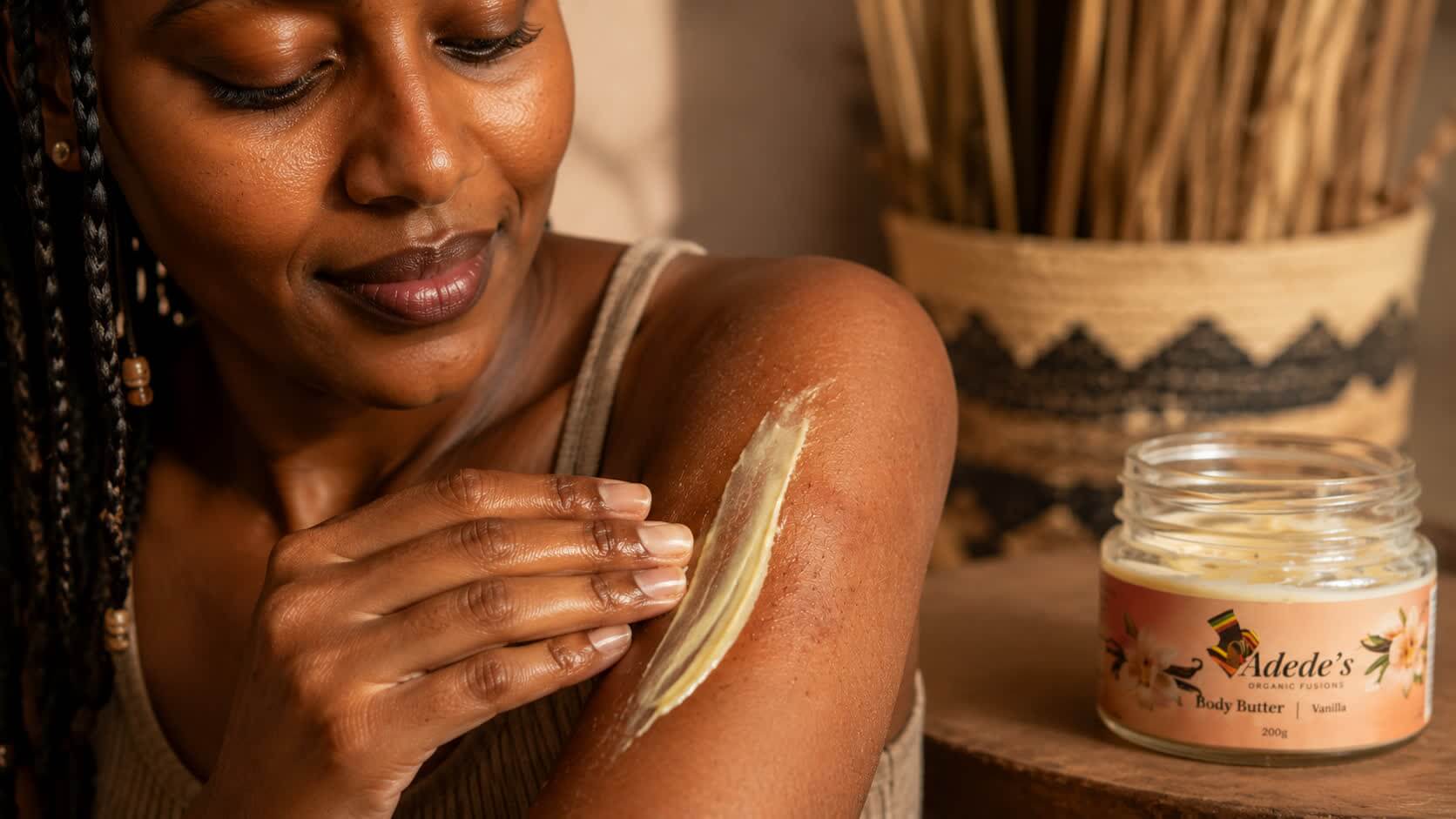
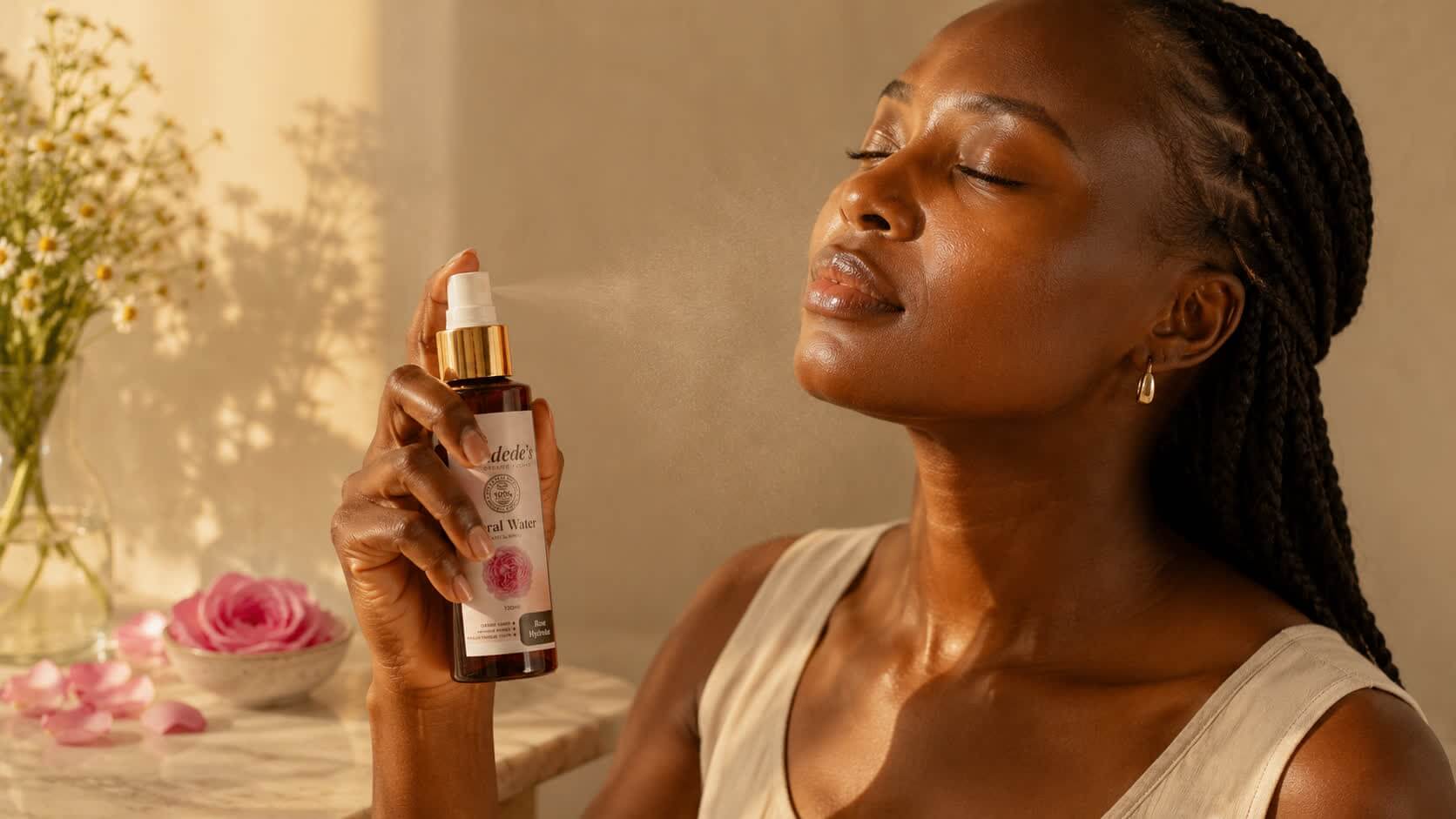
The key to surviving dry season is layering. Single-product routines fail because a lightweight lotion can't compete with 2-3x normal TEWL. Instead, build a 3-layer defense: Layer 1 (Hydration): Floral Water mist applied to damp skin traps water and provides immediate hydration. Layer 2 (Lightweight Moisture): Vanilla Body Lotion or Cranberry Body Lotion applied while skin is damp. These lightweight formulas absorb fast and don't feel greasy in Nairobi's heat. Layer 3 (Barrier Occlusion): Vanilla or Cranberry Body Butter applied over damp skin at night seals the barrier and prevents overnight water loss. During peak dry season (June-July, January-February), use all three layers. During transitional months (May, August-September), drop to layers 1-2. During humid months (November-December), use lotion only. This responsiveness to climate is what separates successful dry-season skincare from frustrating failures.
Day Routine for Dry Season
Morning: Cleanse with gentle water or soap. Pat skin damp. Mist Floral Water twice. Wait 10 seconds. Apply Vanilla Body Lotion while skin is still damp. Optional: top with a lightweight hand cream (Vanilla Hand Cream) to exposed zones. This routine prevents the TEWL spike that happens after showering and drying. Midday (if possible): Quick mist of Floral Water over exposed skin (face, neck, hands) to refresh and top up hydration, especially if you're in air conditioning or outdoors. Evening: Cleanse (double cleanse if wearing SPF/makeup). Pat damp. Mist Floral Water. Apply Vanilla Body Lotion. Then, crucially, layer Vanilla Body Butter while skin is still damp. This night layer is your barrier fortress—it seals the day's hydration and prevents the 6-8 hours of overnight TEWL that accelerates dryness.
Seasonal Product Adjustments
June-August (Long Dry) and January-February (Short Dry): Full protocol with hydrosol + lotion + butter daily. During these months, consider switching to Cranberry Body Butter (slightly richer than Vanilla) for 2-3 weeks at peak dryness (July, mid-January). The cranberry extract's collagen-boosting also helps repair any barrier damage from the dryness. Weekly exfoliation with Coffee & Green Tea Scrub (1-2x per week) removes dead skin buildup from flaking, but skip it if skin is severely irritated. September-October (Transitional): Humidity climbs back to 60%. Scale back to Hydrosol + Lotion daily; drop butter to 3-4x weekly. October-November: Humidity reaches 65-75%. Use Lotion only; skip butter. November-December (Humid): Drop to minimal routine—cleanser + lotion, skip hydrosol and butter. This seasonal responsiveness prevents over-moisturizing in humid months (which can trigger breakouts) and under-moisturizing in dry months (which causes flaring).
Eczema & Atopic Skin in Dry Season
Eczema-prone skin is exquisitely sensitive to dry-season dryness. The compromised barrier loses water faster, triggering inflammatory cascades and itch. For eczema sufferers, the dry season is the danger zone. Protocol: Stay aggressive with Floral Water + Body Butter combination year-round; in dry season, add a midday hydrosol mist. If flare-ups occur despite this, increase to three full applications daily (morning, midday, evening) with both hydrosol and butter. Do not skip exfoliation entirely, but use only mild, emollient-rich scrubs like the Coffee & Green Tea (which contains nourishing oils). For severe eczema in dry season, consider adding a humidifier to your bedroom—even 5-10% humidity increase prevents overnight TEWL spike and dramatically improves flare-ups.
The Ritual
Dry Season Full-Day Ritual
- 1Morning (6-8 AM): Cleanse with warm water and gentle soap (Charcoal Soap is fine in dry season if you follow with hydration)
- 2Pat skin damp immediately after cleansing
- 3Mist Floral Water twice across face, neck, and body zones. Wait 10 seconds for absorption.
- 4Apply Vanilla Body Lotion while skin is still damp, massaging in upward motions
- 5Optional midday (11 AM-1 PM): Quick mist of Floral Water over face and exposed zones if you feel tightness or are in air conditioning
- 6Evening (7-9 PM): Double cleanse (oil + soap) or gentle cleanse, then pat damp
- 7Mist Floral Water twice, wait 10 seconds
- 8Apply Vanilla Body Lotion while damp
- 9Layer Vanilla or Cranberry Body Butter (for peak dryness, use Cranberry) over damp skin, massaging thoroughly into dry-prone zones (elbows, knees, ankles, hands)
- 10Weekly (2-3x per week during dry season): After double cleanse and before hydrosol, gently exfoliate with Coffee & Green Tea Scrub to remove flaking buildup
- 11During peak dry season (June-July, mid-January): Repeat midday mist step and consider adding a humidifier to your bedroom (target 50-60% humidity)